
A swimming pool is a valuable part of your home, but maintaining it involves more than keeping the water clean. Over time, pool surfaces, plumbing, filtration systems, pumps, heaters, and other components can develop problems that aren’t always easy to recognize.
Whether you’re purchasing a home with a swimming pool or already own one, a professional pool inspection can help you better understand the condition of your pool and identify areas that may need attention.
But what exactly does a professional pool inspection include?
At Fresh Pool Service, we help homeowners throughout Northern New Jersey understand their pool’s condition and identify potential equipment and maintenance concerns.
In this guide, we’ll explain the major areas typically evaluated during a professional swimming pool inspection, why these checks matter, and when you should consider scheduling an inspection.
What Is a Professional Pool Inspection?
A professional pool inspection is an evaluation of a swimming pool’s visible condition and accessible components.
Depending on the inspection’s purpose and scope, it may include examining the pool structure, surface, circulation system, equipment, visible plumbing, and safety features.
The goal is to identify visible concerns, evaluate the condition of important components, and help homeowners understand whether maintenance, repairs, or further evaluation may be necessary.
Pool inspections can be particularly useful for two types of customers:
- Homebuyers: People purchasing a property with an existing swimming pool who want to understand its condition before completing the purchase.
- Existing pool owners: Homeowners who want to evaluate their pool, check equipment condition, or identify potential problems before they become more expensive.
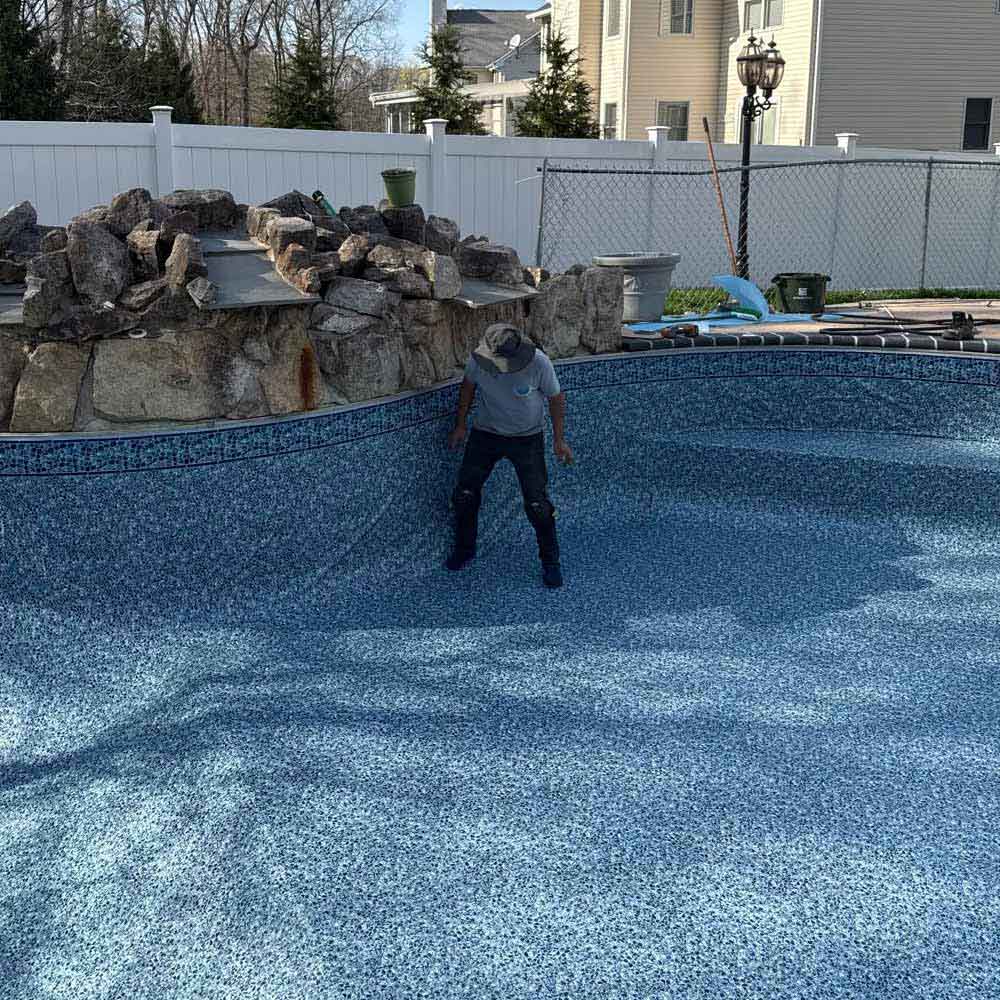
1. Pool Structure and Surface Inspection
The physical condition of your swimming pool is one of the first areas worth evaluating.
Over time, exposure to pool chemicals, temperature changes, and normal wear can affect pool surfaces and surrounding materials.
A visual pool structure and surface evaluation may include:
- Looking for visible cracks or surface deterioration.
- Checking for damaged or loose tiles.
- Examining the pool coping.
- Looking for signs of surface staining or discoloration.
- Checking visible areas for deterioration.
- Observing the surrounding pool deck for visible damage.
Why does this matter?
Small visible problems may indicate that maintenance or additional evaluation is needed. Identifying these concerns early can help homeowners plan appropriate repairs.
2. Pool Pump Inspection
Your pool pump plays an important role in circulating water through the filtration system.
When the pump isn’t operating correctly, water circulation and filtration can be affected.
A pool pump inspection may include checking:
- Visible leaks around the pump.
- Unusual operating noises.
- Signs of corrosion or deterioration.
- Pump basket condition.
- Visible plumbing connections.
- General operating condition when the system can be safely operated.
Common warning signs include grinding sounds, reduced water circulation, overheating, and water leaking around the pump.
Addressing pump problems early may help prevent more serious equipment issues.
3. Pool Filter Inspection
The filtration system helps remove dirt, debris, and other unwanted particles from pool water.
A professional inspection may evaluate the filter’s visible condition and general operation.
Depending on the filter type, this may include:
- Checking for visible leaks.
- Inspecting accessible connections.
- Looking for damaged components.
- Reviewing operating pressure.
- Checking the condition of accessible filter components.
- Identifying signs that cleaning or servicing may be needed.
Common residential pool filters include sand filters, cartridge filters, and DE filters.
Each type has different maintenance requirements, so understanding which filter your pool uses is important.
4. Pool Heater Inspection
A pool heater helps maintain comfortable water temperatures throughout the swimming season.
However, heaters can develop problems due to age, wear, poor maintenance, or component failure.
During an appropriate equipment evaluation, visible heater components and general operation may be checked.
Potential concerns include:
- Visible water leaks.
- Signs of corrosion.
- Unusual operating noises.
- Error messages or warning indicators.
- Ventilation concerns.
- Problems with starting or maintaining operation.
If a heater shows signs of malfunction, further diagnosis may be necessary before recommending repairs.
5. Pool Plumbing and Circulation Inspection
Your pool’s plumbing system connects important components such as the pump, filter, heater, skimmers, and return lines.
Problems within the plumbing system can affect circulation and may contribute to water loss.
A professional pool inspection may include examining accessible plumbing and checking for:
- Visible pipe leaks.
- Damaged fittings.
- Loose connections.
- Signs of water around equipment.
- Unusual circulation problems.
- Visible deterioration around plumbing connections.
It’s important to understand that a standard visual inspection cannot always identify concealed leaks or underground plumbing damage. Specialized leak detection may be necessary if there are signs of hidden water loss.
6. Pool Safety Features Inspection
Pool safety should never be overlooked.
A pool inspection may include reviewing visible safety features and identifying concerns that could affect safe pool use.
Depending on the inspection scope, this may involve:
- Pool ladders and handrails.
- Visible ladder anchor hardware.
- Pool steps and entry points.
- Pool covers and visible damage.
- Accessible barriers and gates.
- Visible safety equipment.
For example, a loose pool ladder or unstable handrail should be addressed before someone uses it.
A pool condition inspection is not automatically a full code-compliance or safety certification. Specific safety requirements may require a separate evaluation.
7. Pool Equipment and Additional Components
Beyond the main pump, filter, and heater, residential swimming pools may contain additional equipment that requires attention.
Depending on the pool setup, an inspection may consider:
- Saltwater chlorination systems.
- Automatic pool cleaners.
- Pool automation systems.
- Valves and control components.
- Visible electrical equipment.
- Water circulation accessories.
Identifying visible wear or operating concerns can help homeowners understand which components may require maintenance or professional diagnosis.
Electrical and specialized equipment assessments may require appropriately qualified professionals.
Why Do Homebuyers Need a Professional Pool Inspection?
Purchasing a home with a swimming pool involves additional considerations beyond the property’s interior and exterior.
A pool may look attractive during a property viewing, but that doesn’t necessarily mean its equipment and underlying components are in good condition.
A professional pool inspection can help prospective buyers better understand:
- The visible condition of the pool.
- The general condition of pool equipment.
- Potential plumbing concerns.
- Visible surface deterioration.
- Possible maintenance requirements.
- Equipment problems that may require further diagnosis.
This information can help buyers make more informed decisions before purchasing a property.
If you’re buying a home with a swimming pool, consider arranging an inspection early enough to address any concerns during the purchasing process.
Why Should Existing Pool Owners Schedule an Inspection?
Pool inspections aren’t only for people buying a home.
Existing pool owners can also benefit from periodically evaluating their pool and equipment.
You may want to schedule a professional inspection if:
- Your pool equipment is getting older.
- Your pump or filter isn’t operating normally.
- You’re noticing unexplained water loss.
- Your pool has visible cracks or surface damage.
- Your heater isn’t working correctly.
- You haven’t had the pool professionally evaluated recently.
- You want to understand the pool’s condition before planning repairs.
An inspection can help identify areas that deserve attention before they turn into more significant problems.
When Is the Best Time to Schedule a Pool Inspection in New Jersey?
The right time depends on why you need the inspection.
Here are some situations when scheduling one makes sense:
Before purchasing a home: Arrange an inspection during the property evaluation period so you have time to understand potential pool-related concerns.
Before the swimming season: An inspection before opening your pool can help identify equipment or visible condition issues that may need attention.
When equipment starts malfunctioning: Unusual noises, leaks, poor circulation, or heater problems are good reasons to have the system evaluated.
Before planning major repairs: An inspection can help you understand the visible condition of the pool and determine which areas may need further diagnosis.
How Much Does a Professional Pool Inspection Cost in NJ?
The cost of a professional pool inspection depends on several factors, including:
- Pool size and configuration.
- Type and number of equipment components.
- Accessibility of the pool and equipment.
- Inspection scope.
- Whether additional diagnostic services are required.
A basic visual condition evaluation may differ significantly from an inspection involving specialized leak detection or additional equipment diagnostics.
For an accurate estimate, homeowners should explain their pool setup and the reason for requesting an inspection.
Contact Fresh Pool Service to discuss your inspection requirements and request a quote.
Why Choose Fresh Pool Service for Pool Inspections?
At Fresh Pool Service, we understand that every swimming pool is different.
Whether you’re purchasing a property with a pool or want to understand the condition of your existing swimming pool, our team can help evaluate your pool’s needs and identify areas that may require attention.
Our goal is to help homeowners make informed decisions about their pool’s condition, equipment, and potential maintenance or repair requirements.
We proudly serve homeowners throughout Bergen County, Passaic County, Morris County, and surrounding Northern New Jersey communities.