
Why a Pool Inspection Is Important Before Buying a Home
Buying a home with a swimming pool can be exciting, but it also comes with responsibilities and potential hidden costs. While many buyers focus on the house itself, they often overlook the condition of the pool and its equipment.
A professional pool inspection can help identify problems before you finalize your purchase, saving you from unexpected repairs and maintenance expenses.
In this guide, we’ll explain what a pool inspection includes, common issues inspectors look for, and why every home buyer in New Jersey should consider a professional pool inspection.
What Is a Pool Inspection?
A pool inspection is a comprehensive evaluation of a swimming pool and its equipment to assess its condition, safety, and functionality.
The goal is to identify existing problems and potential future issues before they become expensive repairs.
A professional inspection typically covers:
- Pool structure
- Pool equipment
- Plumbing systems
- Safety features
- Water circulation systems
- Visible signs of leaks or damage
Why Home Buyers Should Get a Pool Inspection
Many pool problems are not immediately visible during a standard property walkthrough.
A professional inspection can help uncover:
- Equipment failures
- Hidden leaks
- Structural cracks
- Safety concerns
- Improper installations
- Aging components
Understanding these issues before closing can help buyers negotiate repairs or budget for future maintenance.
Pool Inspection Checklist
1. Pool Structure Inspection
The pool shell should be carefully examined for signs of damage.
Inspectors typically look for:
- Cracks in concrete or plaster
- Surface deterioration
- Missing or damaged tiles
- Settlement issues
- Signs of previous repairs
- Even small structural problems can become costly if ignored.
2. Pool Equipment Evaluation
Pool equipment is one of the most expensive parts of pool ownership.
A professional inspection should include:
Pump Inspection
The pool pump should:
- Start properly
- Operate quietly
- Maintain proper circulation
- Show no visible leaks
Filter Inspection
Inspectors check:
- Filter condition
- Proper operation
- Signs of wear or damage
Heater Inspection
If a heater is installed, it should be tested to ensure proper operation and heating performance.
3. Plumbing System Inspection
Pool plumbing problems can be difficult and expensive to repair.
The inspection should include:
- Visible plumbing connections
- Valves and fittings
- Signs of leaks
- Water pressure concerns
Hidden plumbing issues often lead to water loss and increased maintenance costs.
4. Leak Detection Assessment
Water loss may indicate a leak in the pool structure, plumbing, or equipment.
Inspectors look for:
- Wet areas around the pool
- Unusual water loss
- Cracks or damaged fittings
- Equipment leaks
Early detection can prevent significant future expenses.
5. Safety Feature Inspection
Safety should always be a priority.
A professional pool inspection should evaluate:
- Pool barriers and fencing
- Gates and latches
- Drain covers
- Safety equipment
- Pool covers (if applicable)
Proper safety features help protect families and visitors.
6. Deck and Surrounding Area Inspection
The area surrounding the pool should also be evaluated.
Inspectors check for:
- Cracked decking
- Uneven surfaces
- Drainage issues
- Trip hazards
These issues can affect both safety and long-term property value.
7. Water Quality Evaluation
Although water conditions can change, an inspection may include:
- Water clarity
- Chemical balance
- Signs of algae
- Evidence of poor maintenance
Poor water quality can indicate ongoing maintenance issues.
Common Problems Found During Pool Inspections
Some of the most common issues include:
- Aging pool pumps
- Worn filters
- Heater malfunctions
- Structural cracks
- Minor leaks
- Safety violations
- Poor water circulation
Finding these issues before purchasing a property can help avoid unexpected repair costs.
When Should You Schedule a Pool Inspection?
Ideally, a pool inspection should be completed during the home-buying process and before closing.
This allows buyers to:
- Understand the pool’s condition
- Request repairs if necessary
- Negotiate pricing
- Plan future maintenance
A professional inspection provides valuable peace of mind before making a major investment.
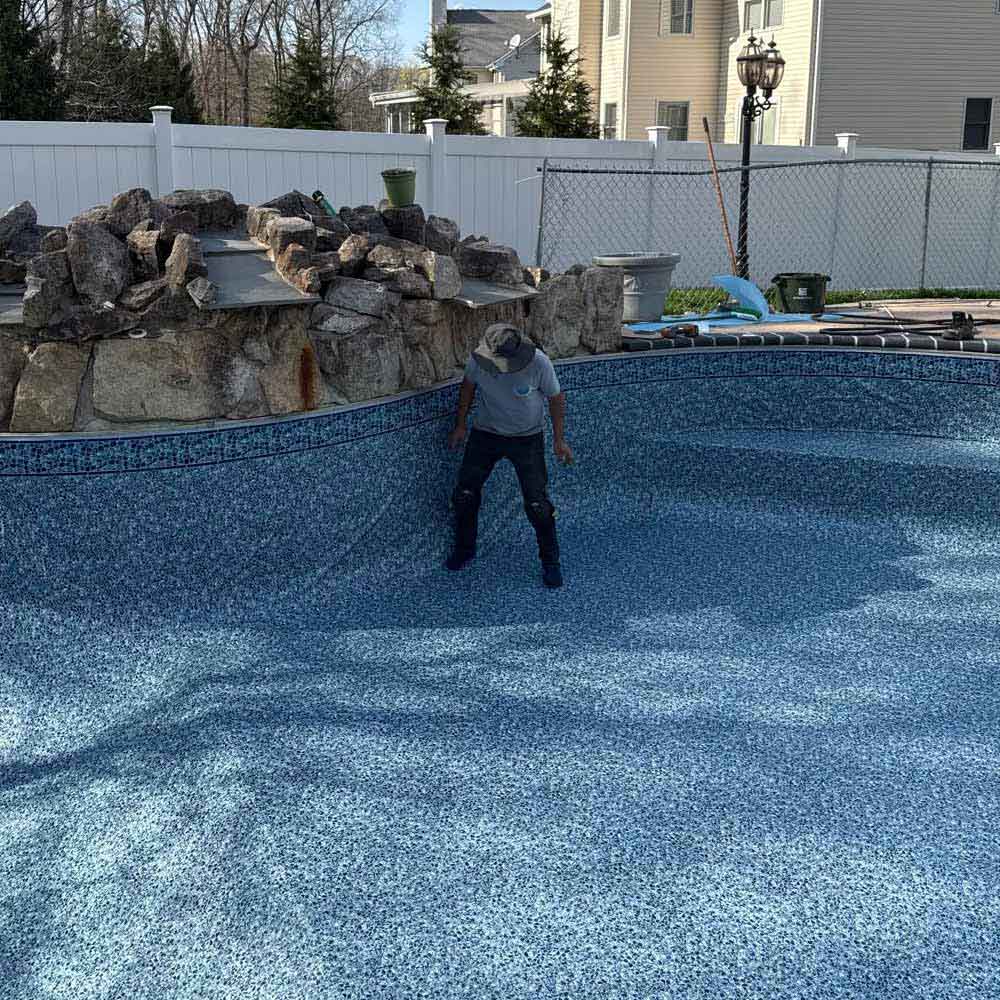
Professional Pool Inspection Services in New Jersey
Fresh Pool Service provides professional pool inspection services throughout New Jersey.
Our inspections help homeowners and buyers understand the condition of their pool and equipment before problems become expensive surprises.
We proudly serve:
- Bergen County
- Passaic County
- Morris County
- New Milford and the surrounding areas
Our team evaluates pool structures, equipment, plumbing systems, and safety features to provide a thorough assessment.
Schedule Your Pool Inspection Today
Whether you’re purchasing a home with a pool or evaluating your current pool’s condition, a professional inspection can help protect your investment.
Contact Fresh Pool Service today to schedule a professional pool inspection in New Jersey.